Mar 18, 2025

Gangotri: The Sacred Source of the Ganges

Gangotri is located in the majestic Garhwal Himalayas of Uttarakhand, Gangotri is one of the holiest pilgrimage sites in India. Revered as the origin of the sacred Ganges River, Gangotri holds immense religious and spiritual significance for Hindus. The serene landscapes, ancient temples, and divine atmosphere make it a must-visit destination for devotees and nature lovers alike.

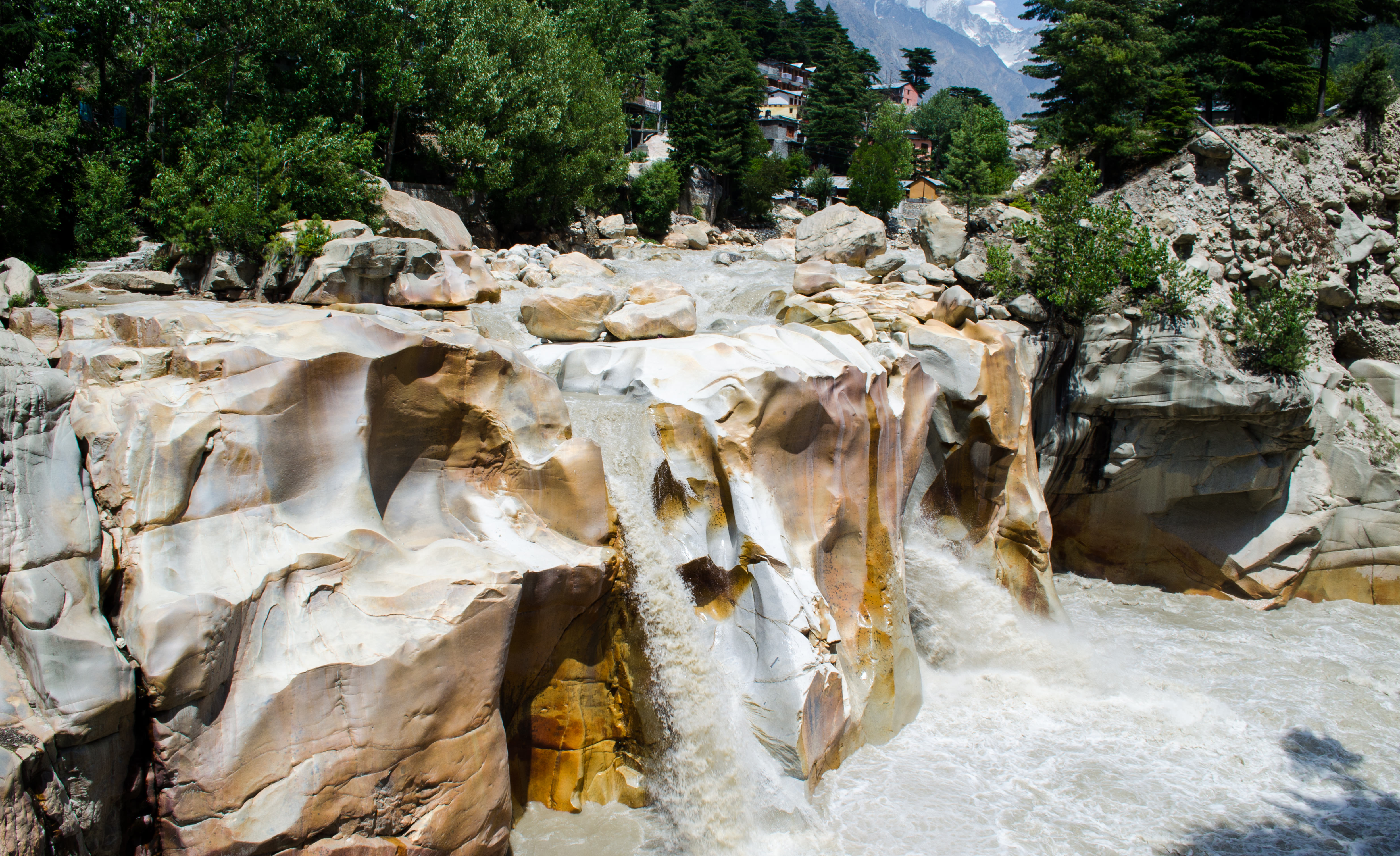
Gangotri is a town and a Nagar Panchayat (municipality) in Uttarkashi district in the state of Uttarakhand, India. It is 99 km from Uttarkashi, the main district headquarter. It is a Hindu pilgrim town on the banks of the river Bhagirathi – the origin of the river Ganges. The town is located on the Greater Himalayan Range, at a height of 3,100 metres (10,200 ft). According to a popular Hindu legend, the goddess Ganga descended here when Shiva released the mighty river from the locks of his hair. 

Visiting Gangotri isn’t merely a journey; it is a soulful reflection. The icy Ganges whisper ancient truths here, and the Himalayas are silent witnesses. Gangotri weaves them into a tapestry of fulfillment whether you seek blessings, solace, or adventure.

The outskirts of Gangotri are dotted with several other attractions worth exploring. The tranquil town of Harsil, known for its apple orchards and serene beauty, provides a perfect detour. Nearby, the serene Sattal, or Seven Lakes, offers a peaceful retreat surrounded by pine and oak forests. For those interested in high-altitude trekking, the Kedartal Trek presents a more challenging but rewarding option, with its crystal-clear lake set against towering peaks. The surrounding area boasts a rugged terrain adorned with verdant forests, sprawling meadows, and craggy peaks. 

Gangotri

The legend of Gangotri is intertwined with the Ganges, India's most sacred river. According to Hindu mythology, King Bhagirath performed penance here, pleading with the gods to bring the river Ganges down from the heavens to absolve the sins of his ancestors. Lord Shiva, moved by his devotion, caught the river in his matted locks to break its descent, saving the earth from its immense force. Gangotri today houses the revered Gangotri Temple, dedicated to Goddess Ganga, marking where she is believed to have touched the earth. Thousands of devotees’ pilgrimage to this holy site each year, especially during the auspicious months of May to June and September to November, seeking blessings and purity.

The journey to Gangotri itself is as captivating as the destination. The winding roads travel through lush forests and over rugged mountains, offering panoramic views of the Himalayas. The journey typically begins in the town of Rishikesh or Haridwar, leading travelers through the towns of Uttarkashi and finally to Gangotri. Along the way, visitors are treated to breathtaking landscapes, including verdant valleys and gushing waterfalls, which invite moments of reflection and admiration.

Significance of Gangotri:

According to Hindu mythology, the Ganges River descended from heaven to earth at Gangotri, thanks to the penance of King Bhagirath. It is believed that Goddess Ganga took the form of a river to cleanse the sins of Bhagirath’s ancestors. The Gangotri Temple, dedicated to Goddess Ganga, stands as a testament to this celestial event. The temple, built in the 18th century by Amar Singh Thapa, is an important stop for pilgrims undertaking the Chota Char Dham Yatra.

Gangotri is one of the four sites in the Chota Char Dham pilgrimage circuit. It is also the origin of the Ganges river and, per Hinduism, the seat of the goddess Ganga. The source of the Ganges river is the Bhagirathi River, originating from the Gangotri Glacier. Once the river confluences with the Alakananda River at a town called Devprayag it finally acquires the name Ganga.

Near the river is a stone where King Bhagiratha performed penance to Shiva in order to bring the Ganga down to earth and absolve the sins of his ancestors. According to another legend, Pandavas performed the great 'Deva Yajna' here to atone the deaths of their kinsmen in the epic battle of the Mahabharata. Hindus believe that performing the ancestral rites on the banks of Bhagirathi frees the spirit of the ancestor from the cycle of rebirth and a holy dip in its waters cleanses sins committed in the present also past births
Gangotri

Geographical and Climatic Features: 

Gangotri is situated at an altitude of approximately 3,100 meters (10,200 feet) above sea level. The town is surrounded by snow-capped peaks, lush green valleys, and the pristine Bhagirathi River, which later merges with the Alaknanda to form the Ganges. Due to its high altitude, Gangotri experiences cold weather throughout the year, with heavy snowfall during winter, making it accessible only from April to November.

Major Attractions in and Around Gangotri:

  1. Gangotri Temple – The main pilgrimage site dedicated to Goddess Ganga.

  2. Gaumukh Glacier – The actual source of the Bhagirathi River, around 18 km from Gangotri, is a significant trekking destination.

  3. Pandava Gufa – A cave believed to have been used by the Pandavas during their journey to the Himalayas.

  4. Bhojbasa – A scenic camping site on the way to Gaumukh, offering stunning Himalayan views.

  5. Tapovan – A high-altitude meadow known for its breathtaking beauty and spiritual significance.

Trekking and Adventure Opportunities:

Gangotri serves as a base camp for several trekking expeditions. The Gaumukh-Tapovan trek is one of the most popular trails, offering mesmerizing views of Mt. Shivling and other Himalayan peaks. Other treks like Nandanvan and Vasuki Tal attract adventure enthusiasts seeking thrilling experiences amidst nature.

The Trek to Gaumukh from Gangotri

Gangotri is a spiritual haven and a starting point for trekkers and adventure seekers. The trek to Gaumukh, the source of the river Ganges, is one of the most popular treks in the region. This trek offers an unparalleled opportunity to witness the rugged beauty of the Himalayas up close. The path takes you through dense forests, bridges, and rocks, with the Bhagirathi Peaks towering overhead. The sight of Gaumukh Glacier, a snout of the Gangotri Glacier from which the Bhagirathi River flows, is both humbling and spectacular.

The trek covers approximately 18 kilometers (around 11 miles) and takes you to an elevation of about 4,000 meters (around 13,123 feet). The path is well-marked but rugged, challenging trekkers to navigate through rocky terrains, boulder-strewn trails, and narrow passes, surrounded by the majestic Himalayan peaks. The trek is usually completed over 1-2 days, with options for camping along the route, allowing trekkers to immerse themselves fully in the natural beauty of their surroundings.

One of the most striking features of this trek is the constantly evolving landscape. From the lush greenery of the Gangotri National Park to the stark, rugged beauty of the Himalayan mountains, each turn presents a new vista to marvel at. The park is home to a rich variety of flora and fauna, including rare species such as the blue sheep and the Himalayan monal, adding to the trek's appeal for nature enthusiasts. As travelers tread softly on its hallowed grounds, they encounter diverse flora and fauna, including rare species like the snow leopard, Asiatic black bear, and the blue sheep, enhancing the park's wild allure.

The ultimate destination, Gaumukh, meaning “cow's mouth,” is where the trek transcends its physical challenges to reach a spiritual culmination. This is where the Bhagirathi River emerges from the Gangotri Glacier. This glacier, one of the primary sources of the Ganges, is a sight to behold. Its vast expanse of ice and snow, set against the backdrop of towering peaks, is profoundly humbling and a powerful reminder of nature's greatness. For many, reaching Gaumukh is a moment of profound spiritual significance. It is a place to meditate, pray, and connect deeply to the divine. The tranquility and purity of the surroundings invigorate the soul, offering peace and renewal.

However, this trek is not without its challenges. The high altitude and rough terrain require good physical fitness and preparation. Acclimatization to the altitude is essential to prevent altitude sickness, and trekkers must be well-equipped with the right gear and supplies. Despite these challenges, the journey to Gaumukh is rewarding, offering a blend of adventure, spirituality, and unparalleled natural beauty.

Gangotri

 How to Reach Gangotri:

  • By Air: The nearest airport is Jolly Grant Airport in Dehradun, about 250 km away.

  • By Rail: The closest railway station is in Rishikesh, around 230 km from Gangotri.

  • By Road: Gangotri is well-connected by motorable roads, with buses and taxis available from major cities like Dehradun, Rishikesh, and Haridwar.

Best Time to Visit:

The ideal time to visit Gangotri is between May and June or September and October. During these months, the weather is pleasant, and the temple remains open for devotees. The monsoon season (July-August) should be avoided due to landslides and unpredictable weather.

Conclusion:

Gangotri is not just a pilgrimage site; it is a place of spiritual awakening, natural beauty, and adventure. Whether you seek divine blessings, explore pristine landscapes, or embark on thrilling treks, Gangotri has something for everyone. A visit to this sacred town is a journey of faith, devotion, and discovery.

Gangotri
Gangotri

Feb 28, 2025

DJI Flip - Open New Possibilities

DJI Flip is DJI's first drone equipped with a foldable full-coverage propeller guard. The guard features a carbon fiber support structure that is only 1/60 the weight of traditional Polycarbonate (PC) material while maintaining the same stiffness. The DJI Flip is DJI's latest entry-level drone, designed to offer a blend of portability, advanced imaging capabilities, and user-friendly features, making it an ideal choice for both beginners and enthusiasts.

DJI Flip

What Sets DJI Flip Apart:

DJI Flip is DJI's first drone equipped with a foldable full-coverage propeller guard*, making it ideal for aerial photography, everyday recording, and leisure activities.

1. At less than 249 g, DJI Flip weighs about as much as an apple and fits in the palm of your hand. It features a foldable full-coverage propeller guard, ensuring safe flight.

2. DJI Flip features a 1/1.3-inch sensor, capable of recording 4K/60fps HDR video with an optional 10-bit D-Log M color format. It supports various shooting modes and offers full HD video transmission up to 13 km** with DJI O4. DJI Flip also includes intelligent features like FocusTrack, QuickShots, MasterShots, and Hyperlapse.

3. Once the arms are unfolded, DJI Flip powers on automatically. Simply press the mode button on the side to quickly switch between intelligent shooting modes and take off from your hand for instant filming. Flip automatically does the rest to capture impressive footage.

4. DJI Flip excels in both high-altitude and low-altitude flights, delivering stunning close-up tracking that makes it feel like you have your own personal cameraman.

Click Here  - Complete specification Details

Which Control Methods Does DJI Flip Support:

DJI Flip supports palm control, mobile app control, voice control and remote controller controlThe virtual joysticks on the mobile app interface are only for fine-tuning the drone's position during shooting or controlling the drone to return. It cannot provide the same control experience as a traditional remote controller. You can use a standard DJI remote controller for a professional flight control experience. To ensure flight safety, when using mobile app control, the drone is limited to a maximum height of 30 meters and a maximum distance of 50 meters.

DJI Flip

Flight Performance & Safety:

The DJI Flip boasts a maximum flight time of 31 minutes, providing ample opportunity to capture your desired shots. It features forward and downward obstacle sensing, utilizing a forward-facing 3D infrared sensor to detect obstacles and enhance flight safety. The drone also supports palm takeoff without the need for a remote controller, adding to its user-friendly design. 

Where can I find the DJI Flip user guide:

We recommend checking out the beginner's guide to DJI Flip, which includes tutorial videos, user manual, and comprehensive instructions covering unboxing, setup, activation, and device connection.

Pricing and Availability:

The DJI Flip is available starting at $439. The package includes the drone, a remote controller, an intelligent flight battery, spare propellers, and other essential accessories. Additional bundles, such as the Fly More Combo, offer extra batteries and a carrying case for extended flight sessions and enhanced portability.

For a comprehensive overview and beginner-friendly guide to the DJI Flip please visit -  Dji.com

The DJI Flip stands out as a compact, feature-rich drone that caters to both novice and experienced users. Its combination of advanced imaging capabilities, intelligent shooting modes, and user-friendly controls makes it a compelling choice for those looking to explore aerial photography and videography.

DJI Flip

DJI Flip


Feb 27, 2025

Adi Kailash: The Sacred Abode of Shiva

Adi Kailash also known as Shiva Kailash, Chota Kailash, Baba Kailash or Jonglingkong Peak, is a mountain located in the Himalayan mountain range in the Pithoragarh district of Uttarakhand, India. Gauri Kund (Jolingkong Lake) and Parvati Tal glacial lakes are at the base of the Adi Parvat.

Adi Kailash

The Adi Kailash and the Om Parvat are not one and the same.

It is the second most important peak among the group of five separate peaks in Himalayas in separate locations collectively known as the Panch Kailash or "Five Kailashas", others being Mount Kailash in the first place, Shikhar Kailash (Shrikhand Mahadev Kailash) in the third, Kinnaur Kailash in the fourth and Manimahesh Kailash in the fifth place in terms of importance. Gauri Kund (Jolingkong Lake) and Parvati Tal glacial lakes are at the base of the Adi Parvat.

Adi Kailash and Limpiyadhura Pass (further northwest of Adi Kailash) are both located northwest of Gunji. The Lipulekh Pass, Old Lipulekh Peak, and Om Parvat (southwest of Lipulekh Pass) are located northeast of Gunji. Adi Kailash base camp, near the Hindu Shiva temple on the banks of sacred Jolingkong Lake (Gauri Kund), is located 17 km northwest of Kuthi (Kuti) village in Kuthi Yankti Valley (Kuthi or Kuti Valley). The Adi Kailash Yatra Circuit route-1 via Gunji, the eastern-southeastern route, is reached by the Pithoragagh-Lipulekh Pass Highway (PLPH) and its Gunji-Lampiya Dhura Pass Road (GLDPR) paved motorable spur via Kuthi Yankti Valley from Gunji to Adi Kailash. The permits for this route are issued at Dharchula and medical check-up is conducted there. The homestay accommodation is available in the villages along the route in Gunji, Napalachchu, Nabhi, Juli Kong and Kuti.[6] The Adi Kailash Yatra Circuit route-2 via Darma Valley, the western-southwestern route, begins by going up the Darma Valley and then crossing the Sin La pass south of Brahma Parvat to go to Kuthi Yankti Valley to Jolingkong Lake Base Camp. Many travellers who take the route-2, after the Adi Kailash darshan, choose to traverse the route-1 in reverse direction till Gunji where they can join the Om Parvat and Mount Kailash-Lake Manasarovar Tibetan pilgrimage route along the Sharda River (Kali River). Kailash-Mansarovar, Adi Kailash, and Om Parvat are sacred to Hindus

Panch Kailash or Five Kailash:

"Panch Kailash", literally - the Five Kailashas, is the collective name for the group of five sacred mountain peaks in Hinduism, which are at separate locations in Himalayas; each of which has Kailash in its name. 

  • The most sacred of all is the Mount Kailash in Tibet. 
  • The second most sacred is the Adi Kailash in Uttarakhand, India.
  • Third Shrikhand Mahadev Kailash (aka Shikhar Kailash)
  • Fourth Kinnaur Kailash (aka Kinner Kailash)
  • Fifth Manimahesh Kailash (aka Chamba Kailash)

Mythological Significance:

Adi Kailash is believed to be a replica of Mount Kailash, the mythical abode of Lord Shiva and Goddess Parvati. According to Hindu scriptures, it is one of the most sacred places where Lord Shiva and Parvati reside, blessing devotees who undertake the pilgrimage. It is also associated with the Pandavas from the Mahabharata, who are believed to have visited the region during their exile.

Adi Kailash

Location and Geography:

Adi Kailash is nestled in the Kumaon region of Uttarakhand, at an altitude of 6,191 meters (20,312 feet). The region is part of the Kailash Sacred Landscape, which extends into Nepal and Tibet. The trek to Adi Kailash takes you through the rugged terrains of the Dharchula, Gunji, and Kuti villages, offering glimpses of the Indo-Tibetan culture.

Trek to Adi Kailash:

The Adi Kailash Yatra Circuit begins by going up the Darma Valley and then going to Kuthi Yankti Valley (India) via the Sin La pass to join the Mount Kailash-Lake Manasarovar Tibetan pilgrimage route down the Sharda River. Motoroable Route to Adi Kailash is via Gunji. While approaching Gunji from Dharcula and the rest of India, the route along the western bank of Sharda River (also called Mahakali River) at Gunji forks into two separate motorable routes, one goes north to Kailash-Mansarovar and another to the west to Adi Kailash. In July 2020, India also opened a newly constructed road in this area from Gunji to Limpiyadhura Pass which has reduced the trek time to Adi Kailash to two hours. Earlier in May 2020, India had inaugurated a new 80 km long road from Dharchula via Gunji to Lipulekh Pass on India-China border to the Kailash-Manasarovar.

Many travelers who go Adi Kailash darshan, choose to reverse direction till Gunji where they can join the Om Parvat and Mount Kailash-Lake Manasarovar Tibetan pilgrimage route along the Sharda River (Kali River). Kailash-Mansarovar, Adi Kailash, and Om Parvat are sacred to Hindus 

The journey to Adi Kailash is not just a pilgrimage but an exhilarating trekking experience. Here’s what the trek entails:

Starting Point:

  • The trek begins from Dharchula, a small town in the Pithoragarh district of Uttarakhand.

  • Dharchula is accessible by road from Kathgodam and Tanakpur, the nearest railway stations.

Trek Route:

  • Dharchula → Gunji (3,200m) → Kuti (3,600m) → Jolingkong (4,570m) → Adi Kailash Base Camp

  • The total trek distance is approximately 70-80 km and takes 8-10 days to complete.

    Adi Kailash

Highlights of the Trek:

  1. Om Parvat: A mystical mountain where naturally occurring snow forms the shape of ‘Om’ – a significant symbol in Hinduism.

  2. Parvati Sarovar: A serene lake near Adi Kailash, believed to be the bathing place of Goddess Parvati.

  3. Rugged Himalayan Terrain: The trek offers stunning views of snow-capped peaks, lush green meadows, and remote monasteries.

  4. Ancient Temples: The region is dotted with old Shiva temples, where pilgrims offer prayers before reaching the main shrine.

Best Time to Visit:

The best time to undertake the Adi Kailash Yatra is between May and October, when the weather is pleasant, and the trekking routes are accessible. Monsoons (July-August) should be avoided due to landslides and difficult trail conditions.

Travel Tips:

  • Physical Fitness: The trek involves high-altitude trekking, so physical endurance and acclimatization are crucial.

  • Permits: Since the trek passes through a restricted zone near the Indo-Tibetan border, permits from local authorities are mandatory.

  • Essential Gear: Warm clothing, trekking shoes, first-aid kits, and essential supplies should be carried.

  • Guides & Porters: Hiring experienced guides is advisable for a safe and enriching journey 

Adi Kailash

 In Brief:

Adi Kailash is not just a mountain; it is a spiritual haven where nature and divinity come together. Whether you are a devotee seeking blessings or an adventurer exploring the untouched landscapes, Adi Kailash promises an unforgettable experience. The trek may be challenging, but the spiritual energy and mesmerizing beauty of the Himalayas make it a journey worth undertaking.

Feb 21, 2025

Kedarnath: The Sacred Abode of Lord Shiva

Kedarnath is a town and Nagar Panchayat in Rudraprayag district of Uttarakhand, India, known primarily for the Kedarnath Temple. It is approximately 86.5 kilometres from Rudraprayag, the district headquarters. Kedarnath is the most remote of the four Chota Char Dham pilgrimage sites. It is located in the Himalayas, about 3,583 m (11,755 ft) above sea level near the Chorabari Glacier, which is the source of the Mandakini River. The town is flanked by snow-capped peaks, most prominently the Kedarnath Mountain. The nearest road head is at Gaurikund about 16 km away.

Kedarnath

Its one of the holiest and most revered pilgrimage destinations for Hindus with breathtakingly beautiful Garhwal Himalayas, Kedarnath is famed for the ancient Kedarnath Temple, dedicated to Lord Shiva. The town is set against a backdrop of towering snow-clad peaks, lush green valleys, and the gurgling Mandakini River. It is part of the Char Dham Yatra, one of the most significant pilgrimage circuits in India, which also includes Yamunotri, Gangotri, and Badrinath.

The name "Kedarnath" means "the Lord of the Field". It is derived from the Sanskrit words kedara ("field") and natha ("lord"). The text Kashi Kedara Mahatmya states that it is so-called because "the crop of liberation" grows here .

Kedarnath is a pilgrimage site or tirtha dedicated to the Hindu deity Shiva. It is one of the four pilgrimage spots that form a part of the Uttarkhand Char Dham yatra or Chota Char Dham yatra. The temple's construction is credited to the Pandava brothers mentioned in the Mahabharata. However, the Mahabharata does not mention any place called Kedarnath. One of the earliest references to Kedarnath occurs in the Skanda Purana (c. 7th-8th century), which names Kedara (Kedarnath) as the place where Shiva released the holy waters of Ganga from his matted hair, resulting in the formation of the Ganges River.

The Acharyas rebuilt the Kedarnath temple in Uttarakhand under the guidance of Adi Shankaracharya. According to the hagiographies based on Madhava's Sankshepa-Shankara-Vijaya, the 8th-century philosopher Adi Shankaracharya died near the Kedarnath mountains; although other hagiographies, based on Anandagiri's Prachina-Shankara-Vijaya, state that he died at Kanchipuram. The ruins of a monument marking the purported resting place of Adi Shankaracharya are located at Kedarnath.Kedarnath was a prominent pilgrimage centre by the 12th century when it is mentioned in Kritya-kalpataru written by the Gahadavala minister Bhatta Lakshmidhara.

Introduction to Kedarnath: 

Kedarnath can only be reached on foot or by helicopter, remains closed during the harsh winter months (November to April) due to heavy snowfall. The Kedarnath Temple, the center of attraction, is believed to have been built by the Pandavas during the Mahabharata era. According to mythology, Lord Shiva appeared in the form of a bull and is worshiped here as the “Kedar” or the bull-headed deity.

Kedarnath

The Significance of Kedarnath:

Kedarnath holds immense religious significance for Hindus. According to legend, it is here that Lord Shiva granted forgiveness to the Pandavas after the Kurukshetra War, making it an important site of spiritual redemption. As part of the Char Dham Yatra, Kedarnath attracts lakhs of pilgrims each year, particularly during the summer months when the temple reopens after the winter break.

How to Reach Kedarnath:

  • By Road: Kedarnath can be reached by road up to Gaurikund, approximately 16 kilometers from the temple. From Gaurikund, pilgrims need to either trek or take a helicopter.
  • By Trekking: The 16-kilometer trek from Gaurikund to Kedarnath is considered challenging yet immensely rewarding with panoramic views of the mountains. It generally takes about 6-8 hours to complete the trek.
  • By Helicopter: A quicker, more convenient option is to take a helicopter ride from Phata, Sersi, or Guptkashi, which drastically reduces travel time and offers breathtaking aerial views. 
 Kedarnath

Weather and Best Time to Visit

The weather in Kedarnath is extremely cold, particularly in the winters. The best time to visit is during the summer months (May to October) when the weather is relatively mild and favorable for trekking. The temple remains open for devotees from late April or early May until October, after which it is closed for the winter.

The Kedarnath Temple is closed during the winter months due to heavy snowfall. For six months, from November to April, the palanquin with the Utsava Murti (Idol) of Kedarnath and of the Madhyamaheshwar Temple is brought to the Omkareshwar Temple in Ukhimath, near Guptakashi. Priests and other summer-time residents also move to nearby villages to cope with the winter. Around 360 families of the Tirtha Purohit of 55 villages and other nearby villages are dependent on the town for livelihood. According to the Köppen-Geiger climate classification system, Kedarnath's climate is monsoon-influenced subarctic climate (Dwc), bordering a uniform rainfall subarctic climate (Dfc) with mild, rainy summers and cold, snowy winters. .

  • Summer (May to June): Pleasant and ideal for trekking and sightseeing.
  • Monsoon (July to August): Risk of landslides and heavy rains; avoid visiting during this time.
  • Autumn (September to October): Pleasant weather and the best time to visit.
  • Winter (November to April): Closed due to heavy snow, making access impossible.

Things to Do in Kedarnath:

  • Trekking: The 16 km trek from Gaurikund to Kedarnath is the most popular activity for pilgrims and adventure enthusiasts.
  • Darshan at Kedarnath Temple: The primary attraction is the spiritual experience of offering prayers and seeking blessings at the Kedarnath Temple.
  • Explore Surroundings: After offering prayers, tourists can visit nearby attractions such as the Bhairon Temple, Gandhi Sarovar, and the Kedarnath Wildlife Sanctuary, home to various species of flora and fauna.
  • Other than the Kedarnath Temple, on the eastern side of the town is Bhairavnath Temple, and the deity of this temple, Bhairavnath, is believed to protect the town during the winter months. About 6 km upstream from the town, lies Chorabari Tal, a glacier-lake also called Gandhi Sarovar. If you start trekking 8 km from Kedarnath, a crystal clear lake known as Vasuki Tal. Near Kedarnath, there is a cliff called Bhairav Jhamp. Other places of interest include the Kedarnath Wildlife Sanctuary, Adi Shankaracharya Samadhi, and Rudra meditation cave

Accommodation and Facilities:

Kedarnath has a range of accommodation options, from basic guesthouses and dharamshalas to tents and more luxurious options available for pilgrims. However, due to its remote location, the facilities are often limited. It is advisable to plan ahead for lodging, especially during the peak pilgrimage season. Food options mainly consist of vegetarian meals served by local eateries and the temple authorities.

Kedarnath

 Safety and Tips for Visiting:

  • Trekking: The trek can be physically demanding, so ensure you are prepared with good footwear, clothing, and carry enough water and snacks.
  • Altitude Sickness: Due to the high altitude, visitors are advised to take precautions to prevent altitude sickness, including acclimatizing properly and avoiding overexertion.
  • Travel Insurance: It is recommended to have travel insurance, especially for the trek, as the weather can be unpredictable, and emergencies may arise.

Flood-proof infrastructure plan:

The town suffered extensive destruction during June 2013 from the Flash Floods caused by torrential rains in Uttarakhand state. After the floods, the Government of India decided to provide a flood-free infrastructure plan for the town. This involves:

  • Development of the retaining wall and ghats on the Mandakini River
  • Development of the retaining wall and ghats on the Sarasvati River
  • Construction of the main approach to the Kedarnath Temple
  • Development of the Adi Shankaracharya Kutir and Museum
  • Development of houses for the Kedarnath Teerth Purohits

The foundation stone for the plan was laid by Prime Minister Narendra Modi on 20 October 2017.

In Brief:

Kedarnath's Timeless Charm Kedarnath is not just a pilgrimage destination but a place that offers spiritual solace, stunning views, and a profound connection with nature. It is a journey that combines faith, adventure, and the tranquility of the Himalayas. For those seeking peace, devotion, and a sense of awe, Kedarnath is undoubtedly one of India’s most sacred and beautiful sites.

For More Details  - kedarnathTemple 

(for online Vehicle Permit, Helicopter Booking, Pooja Booking, Online Donation and further details please visist above link)  

Kedarnath

Kedarnath