Historical Significance:History tells that during the 7th and 8th centuries AD. During the Gupta Empire in North India, the Katyuri kings ruled the Kumaon region of the Himalayan mountains. The Jageshwar temples were also built during that period. Consequently, the temples reflect the Gupta Empire. According to the Archaeological Survey of India, the period of construction of these temples is divided into three periods: the Katyuri period, the Uttar Katyuri period, and the Chandra period. These courageous kings of Kumaon, settled in the snowy region, with their unique craftsmanship, constructed over four hundred temples not only in Jageshwar, nestled amidst a dense cedar forest, but also throughout the Almora district, of which Jageshwar alone has approximately 125 large and small temples. The temples were constructed using large stone slabs instead of wood and cement. The doorframes are adorned with statues of gods and goddesses. Copper sheets and cedar wood were also used in the construction of the temples.

L
a
g
e
n
d
o
f
J
a
g
e
s
h
w
a
r
D
h
a
m:
There are about 125 small and big temples
and hundreds of stone statues. These temples are dedicated to Lord Shiva
and goddess named Yogesher(Jageshwar), Navdurga, Navgraha, Lakulish,
Kedareshwar, Baleshwar, Mritunjaya, Pusthi Devi, Laxmi, Kalika etc. The
main temple in the temple complex at 'Jageshwar Mahadev' is dedicated to
‘Bal Jageshwar’, or the Child Shiva. There is also a temple dedicated
to Vridh Jageshwar, or Old Shiva, situated on the higher slopes.
According to tradition, Lord Shiva came to meditate here, and when the
women of the village came to know of this, they immediately left their
household chores to have his darshan. When the men of the village heard
of this, they were infuriated and came to see who is this sadhu who has
captivated their woman. Seeing the commotion, Shiva took the form of a
child, which is why he is still worshipped in his child form here.
Architectural Brilliance
The architectural splendor of Jageshwar Dham is another aspect that
draws visitors from far and wide. The complex comprises 125 small and
large stone temples, each showcasing the Nagara style of architecture.
This style is characterized by its intricately carved stone walls,
shikharas (spires), and elaborate doorways that depict various deities,
mythological scenes, and sacred symbols.
The temples were built
during the Katyuri dynasty, which ruled over the Kumaon region and were
known for their patronage of art and culture. The craftsmanship evident
in the temples reflects the skill and devotion of the artisans of that
era. Over the centuries, the temples have undergone restoration and
preservation efforts, particularly under the Chand dynasty and later by
the Archaeological Survey of India (ASI), ensuring their legacy
continues to inspire future generations.
The Mahamrityunjaya
Temple stands out for its simplicity and elegance. The sanctum houses a
Shiv Lingam, and the temple walls are adorned with carvings of Lord
Shiva and other deities. The Dandeshwar Temple, on the other hand, is
larger and more imposing, with intricate carvings that depict scenes
from Hindu mythology. Together, these temples exemplify the spiritual
and artistic ethos of ancient India.
The architecture of Jageshwar Dham is a remarkable example of the Nagara style, characterized by tall, curvilinear spires and intricate stone carvings. The temples are built using local stone, and each temple's shikhara (spire) rises in a pyramid-like shape, adorned with exquisite carvings of deities, mythological scenes, and intricate floral patterns.
The main temples in the complex are:
Jageshwar Mahadev Temple: The principal temple dedicated to Lord Shiva, featuring a large Shiva linga. The temple’s sanctum is marked by a fine entrance porch with intricate carvings of gods and celestial beings.
Mrityunjaya Temple: This is considered the oldest temple in the complex and is dedicated to Mrityunjaya, a form of Shiva associated with overcoming death. Devotees visit this temple to seek blessings for health and protection.
Dandeshwar Temple: The largest temple in the complex, the Dandeshwar Temple stands apart from the main cluster and is dedicated to a form of Shiva wielding a danda (staff). Its imposing structure and detailed carvings make it a significant landmark within the complex.
Chandika Temple: A smaller temple dedicated to Goddess Chandika, reflecting the tantric aspect of Hindu worship. It stands as a testament to the diverse forms of spirituality practiced at Jageshwar.
Kuber Temple: Dedicated to Kuber, the god of wealth, this temple is a unique addition to the complex and represents the inclusive nature of worship in Hindu tradition.
Spiritual Significance:
Jageshwar
Dham is one of the twelve Jyotirlingas mentioned in Hindu scriptures,
making it a highly revered site for devotees of Lord Shiva. According to
legend, the temple marks the site where Lord Shiva meditated in
solitude, away from worldly distractions. This sacred narrative is
deeply embedded in the religious practices and rituals performed at
Jageshwar, attracting thousands of pilgrims annually.
The main shrine in the complex, dedicated to Lord Shiva, is known as the Mahamrityunjaya Temple.
It is considered one of the oldest and most important temples in the
region. Devotees believe that worshipping at the Mahamrityunjaya Temple
helps them overcome fears, gain spiritual strength, and achieve
liberation from the cycle of birth and death. The mantra associated with
the temple, the Mahamrityunjaya Mantra, is chanted by devotees to seek
blessings for health, longevity, and spiritual growth.
Another
important temple within the complex is the Dandeshwar Temple, which
houses a massive Shiva Lingam. This temple is equally significant for
its unique architecture and spiritual importance. The Lingam here is
believed to emit divine energy, making it a focal point for meditation
and worship.
The mythology of Jageshwar Dham also includes its
connection to the Pandavas, the protagonists of the Indian epic
Mahabharata. It is said that the Pandavas visited this sacred site
during their exile and constructed some of the temples as an offering to
Lord Shiva. This adds another layer of historical and spiritual depth
to the site, linking it to one of India’s greatest epics.
Jageshwar
Dham is also an important site for conducting Pind Daan, a ritual
performed to honor and appease the souls of one’s ancestors. This ritual
is considered highly auspicious when performed at Jageshwar, as the
site’s sanctity is believed to ensure peace and liberation for departed
souls. Devotees from across the country visit the temple to perform
these sacred rites, further cementing its status as a significant
spiritual destination.
The temple complex is particularly vibrant
during the Jageshwar Monsoon Festival and Shivratri Festival. These
occasions see an influx of devotees who gather to celebrate Lord Shiva
with great enthusiasm and devotion. Traditional rituals, cultural
performances, and communal prayers mark these festivals, creating an
atmosphere of profound spiritual energy.
The spiritual
significance of Jageshwar Dham is also amplified by its natural
surroundings. The towering deodar trees, the gentle flow of the
Jataganga River, and the pristine mountain air contribute to an
environment that fosters meditation and inner peace. Many visitors
report feeling a deep sense of calm and spiritual connection when they
step into the temple complex, a testament to the sanctity and energy of
this sacred place.
Festivals and Religious Activities:
The temple complex is a hub of spiritual activity, especially during festivals. The Maha Shivaratri festival is celebrated with great fervor, drawing thousands of devotees who come to witness the elaborate rituals and offer their prayers. The Jageshwar Monsoon Festival, or Sawan Mela, held in July-August, is another significant event, celebrating the monsoon and Lord Shiva’s association with rejuvenation and fertility.
Daily rituals, including the morning and evening aartis (ceremonial prayers), are performed with devotion, and the sound of temple bells, conch shells, and chanting adds to the mystical aura of the place.
Natural Beauty and Surroundings:
Jageshwar Dham is not just a religious site but also a haven for nature lovers. The complex is enveloped in dense deodar forests, and the Jataganga River flows gently through the valley, adding to the tranquil environment. The walk along the river, surrounded by towering trees and the soft murmur of the water, offers a meditative experience.
The area is also rich in biodiversity, with sightings of various bird species, making it a great spot for bird watchers. The cool, refreshing air, coupled with the stunning vistas of the Himalayan landscape, makes Jageshwar a perfect retreat for those looking to escape the hustle and bustle of city life.
Visitor Information:
Best Time to Visit: The best time to visit Jageshwar Dham is from April to June and September to November. These months offer pleasant weather, making it ideal for exploring the temples and surrounding areas. The monsoon months can be avoided due to heavy rainfall, while winters can be chilly, with temperatures dropping significantly.
How to Reach:
- By Air: The nearest airport is Pantnagar, approximately 150 km away. From there, taxis and buses are available to reach Jageshwar.
- By Rail: The closest railway station is Kathgodam, about 125 km from Jageshwar. Regular taxis and buses are available from the station to the temple complex.
- By Road: Jageshwar is well connected by road to major cities in Uttarakhand. The drive from Almora, about 35 km away, is scenic and well-maintained.
Accommodation: Jageshwar offers various accommodation options, ranging from budget guesthouses to comfortable lodges. The Uttarakhand Tourism Development Board maintains a guesthouse near the temple complex. Additionally, local eateries provide simple but tasty Kumaoni and North Indian cuisine, making for a pleasant stay.
Travel Tips:
- Respect Local Customs: When visiting the temples, dress modestly and respect the local customs. Photography inside the temples is generally restricted, so be mindful of the guidelines.
- Early Morning Visits: Early morning visits are recommended to experience the serene atmosphere of the temples without the crowd.
- Exploring Nearby Attractions: Consider exploring nearby attractions like the Vriddha Jageshwar Temple, which is an older version of the main Jageshwar temple, and the Jhakar Saim Temple, known for its beautiful location.
Final Words:
Jageshwar Dham is a confluence of history, spirituality, and natural beauty. Whether you are drawn to the ancient stone temples, the spiritual vibrations of the rituals, or the tranquil setting of the deodar forests, Jageshwar offers a unique journey into the heart of India’s cultural and religious heritage. It stands as a testament to the timeless devotion to Lord Shiva and the enduring beauty of the Himalayas.
.JPG "Pandavara Batti")
.jpg "Pandavara Batti")
.jpg "Pandavara Batti")
.jpg "Coober Pedy")
.jpg "Coober Pedy")
.jpg "Coober Pedy")
.jpg "Coober Pedy")
.jpg)
.jpg)
.jpg)
.png)
.jpg)
.jpg)
.jpg)


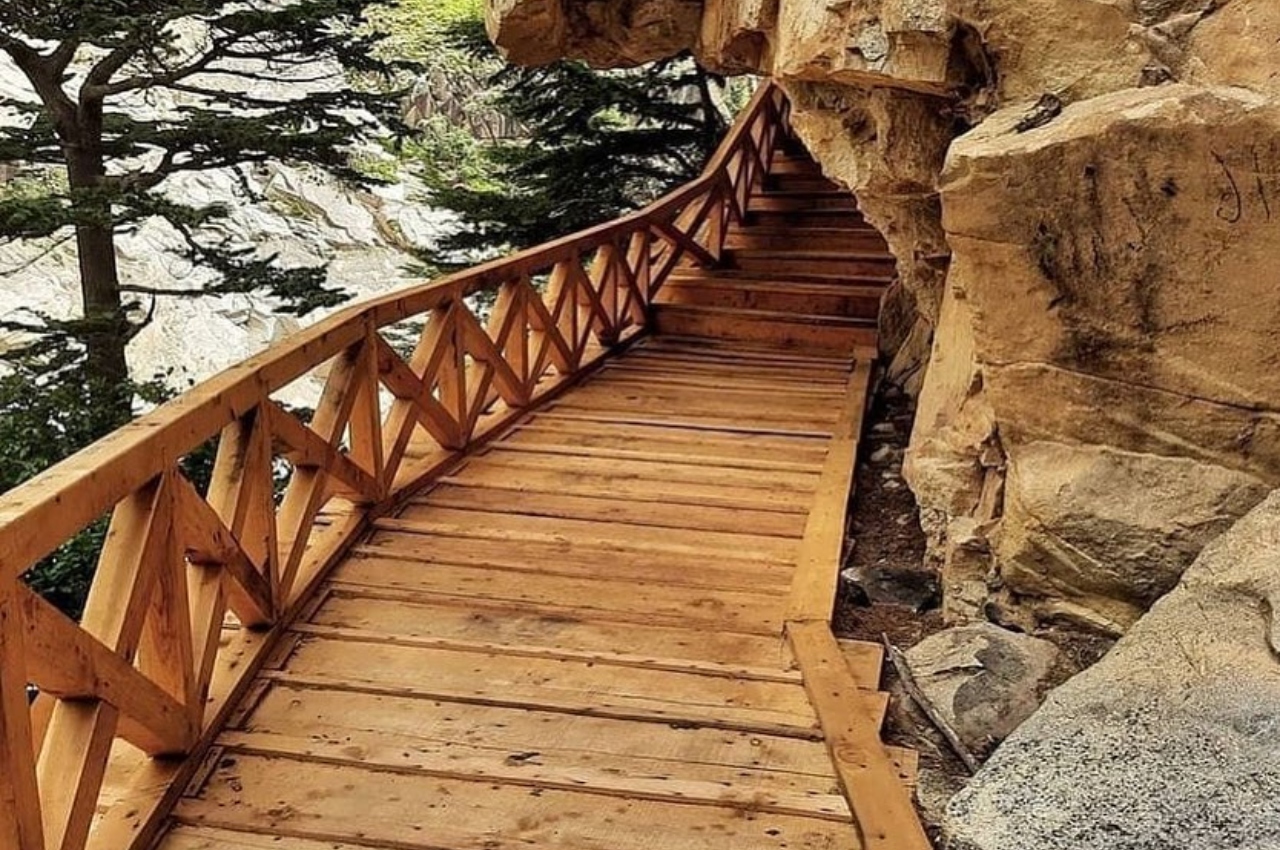
.jpeg "Jageshwar Dham")

.jpg "Jageshwar Dham")

.jpg "Jageshwar Dham")


